




There's an old adage, coined by Mark Twain, that says you should buy land because they're not making it anymore. Looking around the city these days, it's easy to see that Twain was probably on to something.
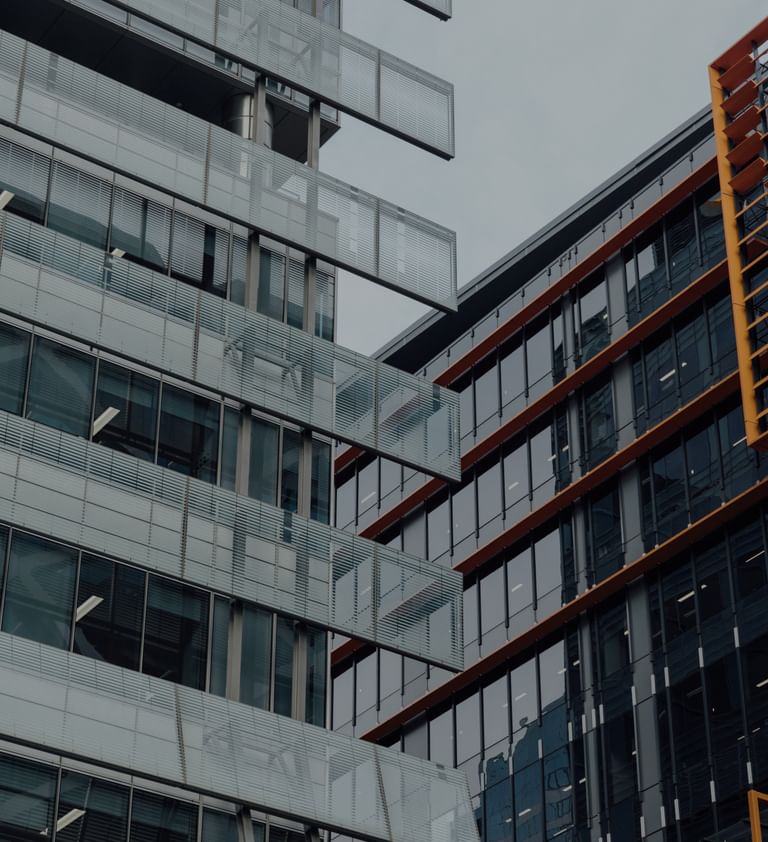
With a constant influx of new city dwellers - immigration alone brings over 200,000 people to Australia each year, according to the Australian Bureau of Statistics - finding homes for everyone is a perpetual struggle. There's only so much land for sale, which is why modern cities in Australia and New Zealand are increasingly looking skyward.
The only way is up
The number of people living in high-rise units has seen steady growth on both sides of the Tasman. Business Insider reported in May 2015 that 40 per cent of new dwellings approved in Australia are now apartments or units, while census data in New Zealand shows a similar trend, driven largely by development in Auckland. Building up rather than out clearly makes the most sense from a space optimisation point of view, but sensible doesn't have to mean boring.
Modern cities in Australia and New Zealand are increasingly looking skyward.
As people's experience living in high-rise blocks has grown, so too has their understanding of how to use their limited space to the fullest. Apartment buildings are being transformed, from purely functional collections of urban dwellers into "vertical villages", pocket communities nestled amidst the business-focused CBD of cities like Sydney and Auckland.
Leading the way with innovation
Utilising a small footprint of land to house as many people as possible is the most obvious reason behind apartment development, but modern, innovative design is beginning to show some surprising new applications. In 2013, architect Jean Nouvel completed his One Central Park residential tower in Sydney, featuring the world's tallest vertical garden designed by botanist Patrick Blanc.
Made up of 350 species of plants, both native Australian and exotic, the living wall takes up 50 per cent of the building's facade, which Mr Blanc says is an architectural work floating in the air.
"It will create a very special result that will be very new to Sydney," he said.
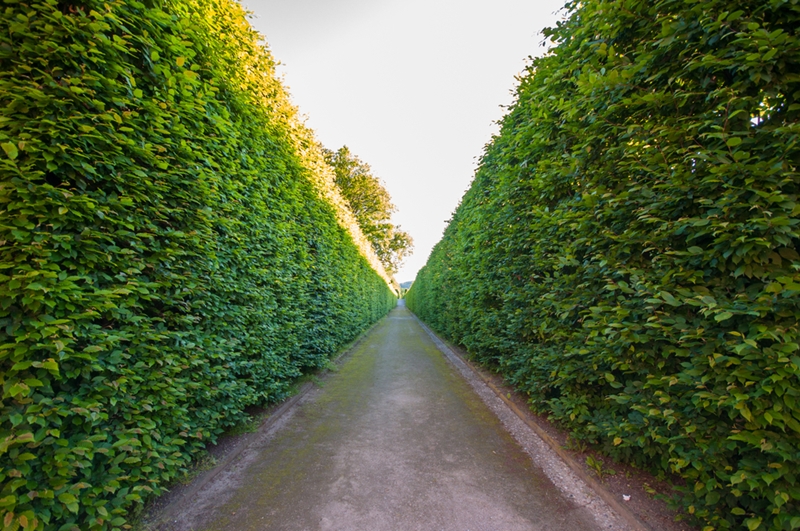
One Central Park shows what can be done with an apartment block on a large scale, however ideas like these can be taken up on an individual or community level. Rooftop vegetable gardens, balcony topiary, or wall-mounted meadows; vertical villagers are only limited by their imagination.
The apartment market has the potential to offer impressive yields.
Is now the right time to buy?
Given the large numbers of unit construction approvals in the major cities of Australia and New Zealand, you might be wondering whether now is a good time to get into the market yourself. With so much property for sale, or at least soon to be for sale, in theory the competition in the real estate market is reduced, leading to lower prices.
As a seller, lower prices are not good news, but a savvy buyer who knows how to read the market has an opportunity to get in on the ground floor of new developments and snag a few bargains. The upwardly cyclical nature of the property market means that buying at any time is probably a good idea, but as supply increases and prices fall, the apartment market has the potential to offer impressive yields.
As is the case with any potential property purchase, it's worth speaking to an experienced and knowledgeable real estate agent to get a better understanding of today's market, and decide if becoming a vertical villager might be the right move for you.
