

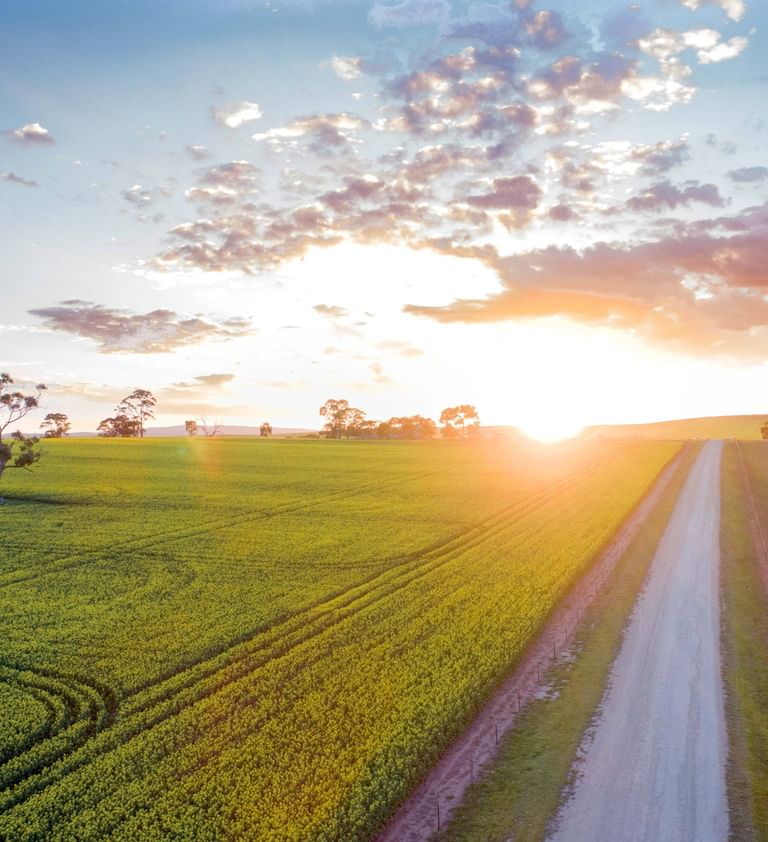


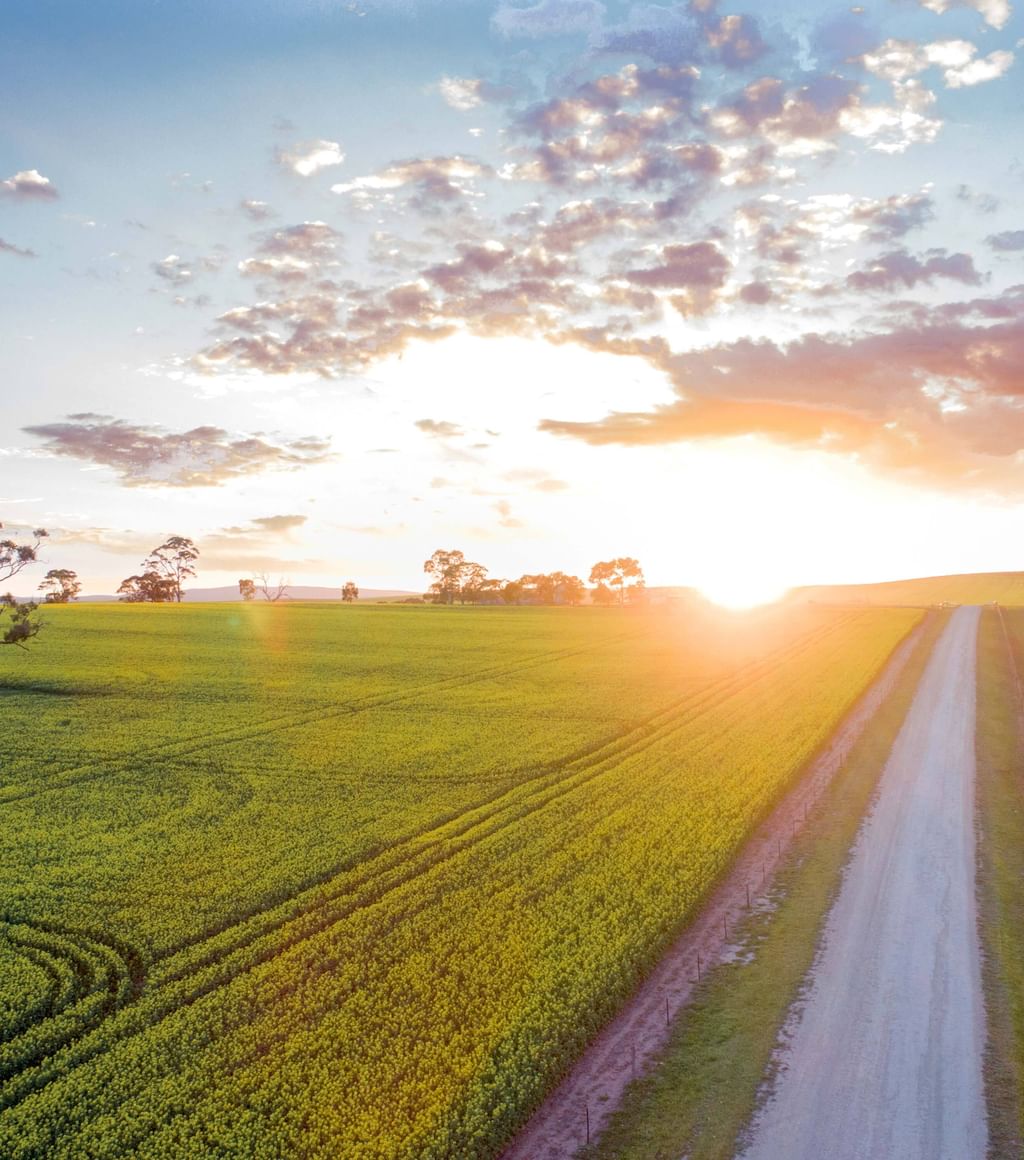


Wheat yields could decline by between 5 and 41 per cent by 2080 without adaptation, longer term modelling suggests, with the most significant impacts expected across Western Australia's cropping zones. More recent CSIRO work on climate ready wheat and sorghum varieties has identified breeding opportunities to better withstand higher temperatures, reduced water availability and shifting flowering windows, protecting the long term productivity of Australia's $4.5 billion wheat and sorghum industry. Separate CSIRO research into seasonal forecasting for irrigators in the New South Wales Riverina has shown that combining forecast rainfall and evapotranspiration data with on-farm conditions can materially improve both whole farm returns and water productivity, an approach with clear relevance for cropping regions further west.
Livestock production covers well over half of Australia's agricultural land. Wool production could fall substantially in parts of southern Australia by 2050 without adaptation, according to longer term modelling that continues to inform why genetic selection and pasture management are drawing increasing investment today. CSIRO's FutureFeed research into low methane feed supplements is helping the beef and sheep sectors work toward emission reduction goals while supporting productivity, a combination increasingly relevant as buyers weigh both production risk and compliance cost into their assessment of grazing country.
Export markets are placing growing weight on sustainability credentials, with environmental measures from major trading partners tightening requirements around traceability and emissions reporting. Properties able to demonstrate strong environmental practice are better positioned to support production destined for these higher value, higher scrutiny markets, adding a further layer to how buyers weigh a property's long term earning capacity.
None of this diminishes the fundamentals underpinning farmland as a long term asset. Australian producers remain among the most efficient in the world on a per hectare basis and the properties continuing to draw the strongest competition into the next cycle will be those combining genuine production capability with clear preparedness for a more variable climate, a combination increasingly recognised as core to how land is valued rather than a peripheral consideration.
